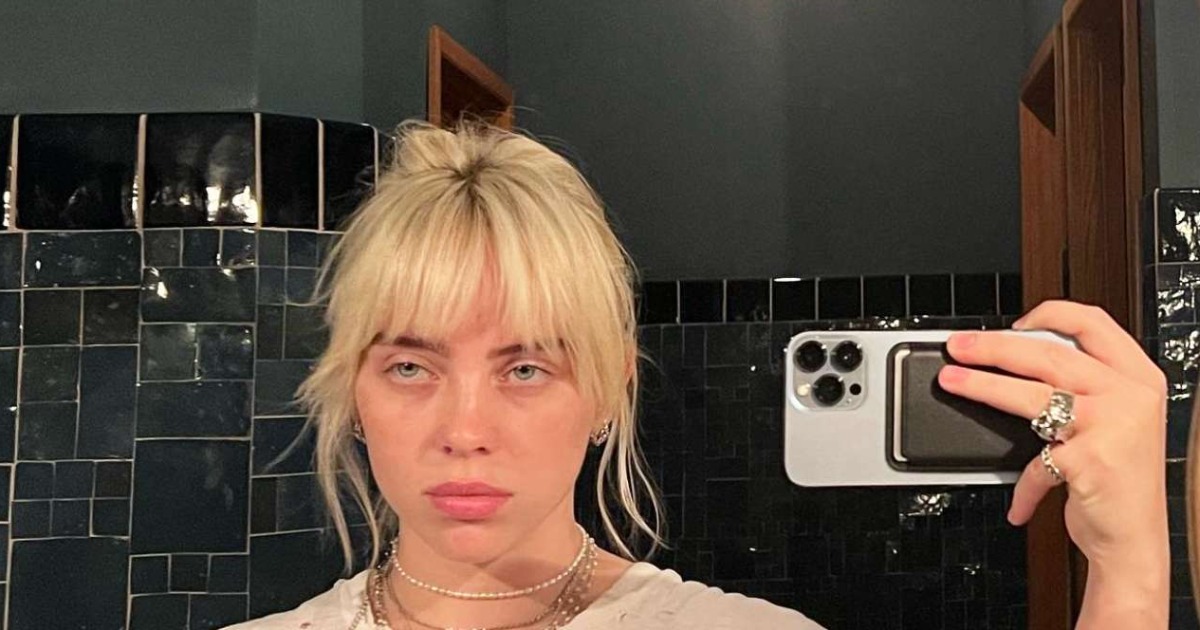

Billie Eilish is facing fresh criticism online after officiating her brother Finneas O'Connell's wedding at San Ysidro Ranch in Montecito, California, this weekend, with the location reigniting debate over comments she made earlier this year.
What sparked the criticism
The renewed backlash follows Eilish's acceptance speech at the Grammy Awards in February, when she and O'Connell won Song of the Year for "WILDFLOWER." During her speech, Eilish spoke out against the Trump administration's immigration policies, stating that no one is illegal on stolen land and urging people to keep speaking up and protesting, drawing cheers and a standing ovation from the audience.
The comments sparked wider debate at the time, including scrutiny of Eilish's own Southern California property. Florida Governor Ron DeSantis publicly suggested she should forfeit her home if she believed the land was stolen, while Utah Senator Mike Lee argued that public figures making land acknowledgements should be willing to give up their own property to back up the sentiment.
With her brother's wedding taking place on land with its own significant Indigenous history, some social media users questioned whether the location undercut her earlier comments, prompting renewed mockery online.
How the Tongva tribe responded
Following Eilish's original Grammy speech, the Tongva tribe, Indigenous to the Los Angeles Basin, issued a response acknowledging the visibility her comments brought to the region's history, while noting that her own property sits within their ancestral land. A tribal spokesperson said Eilish hadn't contacted the tribe directly regarding her property, but expressed hope that future public discussions on the topic would explicitly reference the tribe by name. The tribe also noted its existing partnership with the Recording Academy in authoring the official land acknowledgment used during Grammy week.
The history of the wedding venue
San Ysidro Ranch itself sits on land historically inhabited by the Chumash people, whose territory once spanned roughly 7,000 square miles across California's Central and Southern coasts. Spanish colonization of the Santa Barbara region began in the late 18th century, with the land later developed into a working ranch and, eventually, the historic estate it is today, one with its own notable history hosting figures including Winston Churchill and John F. Kennedy.